Rev. Rebecca Jess, Minister at Armour Heights Presbyterian Church and Vice President, Evangel Hall Mission Board of Directors
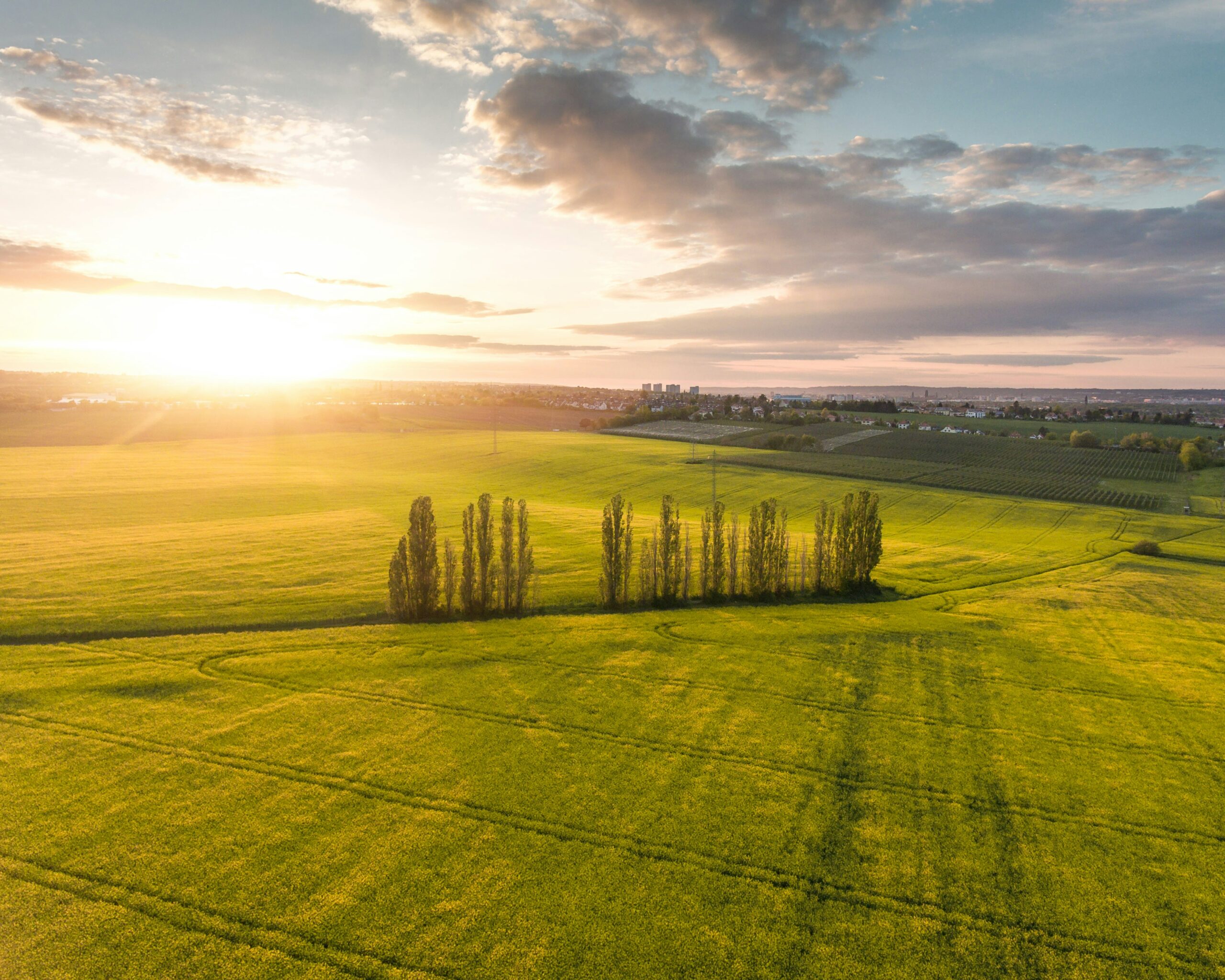
Land is an important feature in the Bible. We hear a lot about it in the earliest books: promises from God around land, Israelites seeking land, the releasing of land at Jubilee, to name a few. Land is important. Land sustains, nurtures and grows us.
Land is what you live upon. It’s where you take root. Raise children. Source food. Build community. Set up places of worship, education and health care.
Home is an equally important concept. Home is a place of comfort, a place of safety, a place to eat and rest and reflect. It’s a place where family and friends care for and nurture one another. This isn’t something that only the Israelites wandering the wilderness hoped for: we all need a place to rest and call home. Unfortunately, having a stable home isn’t a reality for too many. Instead of solving the challenges of homelessness, it seems to be a growing problem in communities today.
Presbyterian churches across the country are big landholders. And as the landscape across our denomination is shifting and changing, questions around the buildings and the land that we hold are growing. As congregations begin to wonder about what to do with their land and buildings, especially when congregations have to find creative ways to stay open, it is also time to consider how those buildings connect to creating homes.
Churches are spiritual homes to many of us: welcoming places where we are safe to wonder and question, where we hold a sense of belonging, where we know love. While we don’t need physical church buildings in order to house our spiritual needs, we tend to hold a strong emotional connection to them because they provided places for growth, belonging, love and spiritual journeys to happen.
So what happens when our congregations’ physical spaces become more than we need?
It can be hard to imagine a new reality when the physical spaces (land and buildings) that have been spiritual homes no longer exist in the way we know them. How can we view the land our churches sit on as a part of God’s vision for society? How should we steward it so we create homes and community spaces so that others can safely experience God’s abundance and joy?
Across the country we are experiencing a homelessness crisis. Thousands of people are without homes or are stuck in transitional housing because there aren’t affordable market housing options. We need affordable housing that people can call home. What if more congregations took the leap to become spaces that offer housing to those who need a home? This could come in the form of shelters, transitional housing, low income or market housing for people across a broad spectrum: individuals, seniors, families, refugees, those with disabilities. When we consider the people who first secured the land and shared their gifts to build our churches and all who have helped sustain and grow the churches since then, how can we honour their legacy? Can we bravely step into a new vision for the future?
Jesus tells us that the greatest commandment is to love God and neighbour as oneself.
If we value an affordable, comfortable and welcoming home in a good, safe neighbourhood, we should also want that for others. We have many neighbours who need that kind of warmth, safety, and long- term security, what are we doing to love them?
The blind, the lame, the sick, the thirsty, the desperate, the lonely—Jesus challenged them to believe what felt impossible. Are we willing to do what it takes to help all people find a home, even when it feels like an impossible task? Are we ready to think creatively and faithfully around the future of our land and buildings? With prayer and a renewed sense of God’s vision, I pray that we can all find ourselves welcomed home with open arms.